Informal Sector
Meets . Innovative
Technology.

Restoring
. Trust . And
Happiness.

We
Fill . Missing
Gaps.
Learn About Us
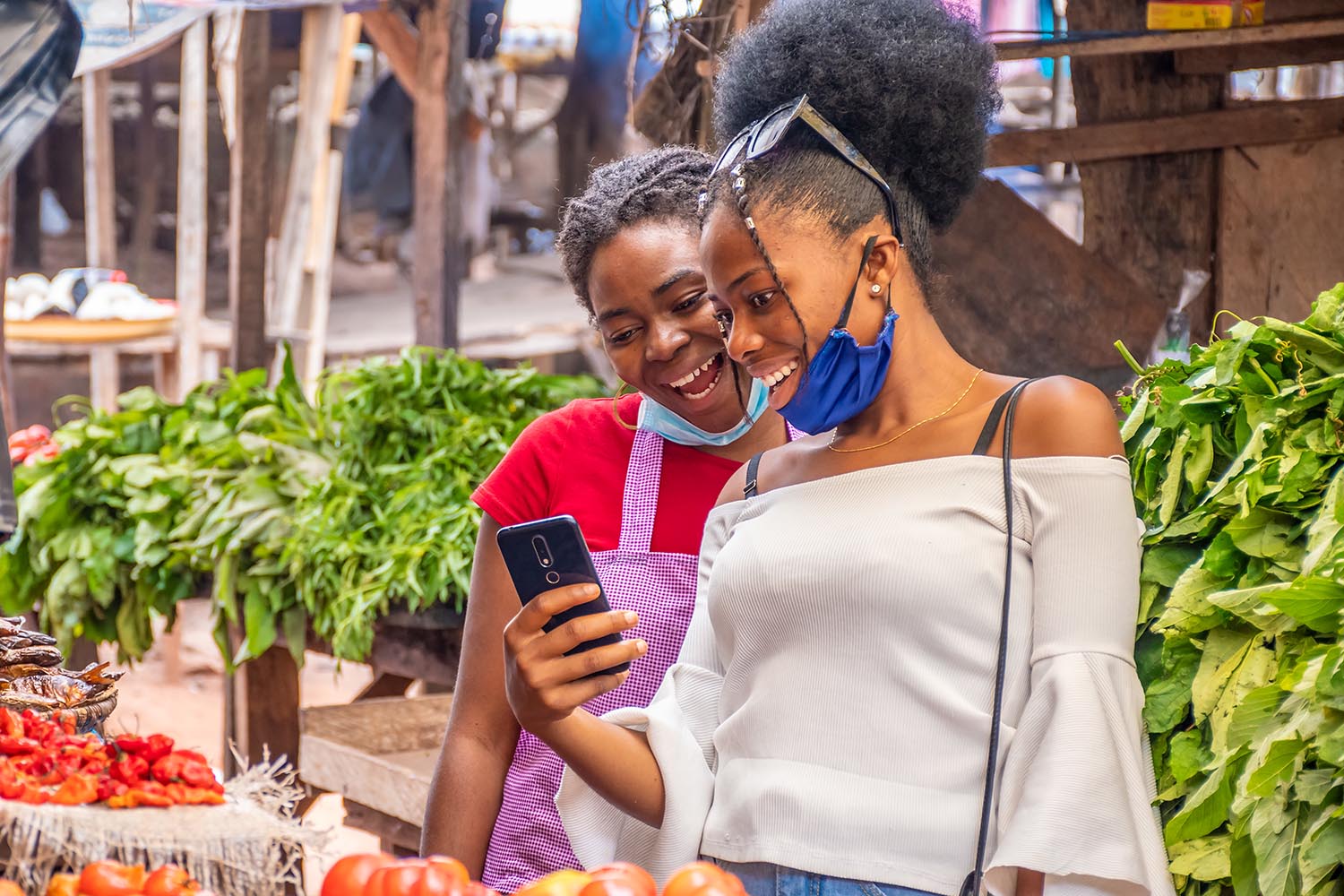
We understand that resistance to formalization often stems from a lack of trust and a desire for autonomy. Many informal workers, even those with formal jobs, maintain side businesses as a path to self-reliance and financial freedom. At Informal Edge, we build solutions that support these aspirations helping them grow, scale, and compete effectively without asking them to change who they are.
Our Products
visit the playstore or apple Store to download any of our apps that suits you for free.

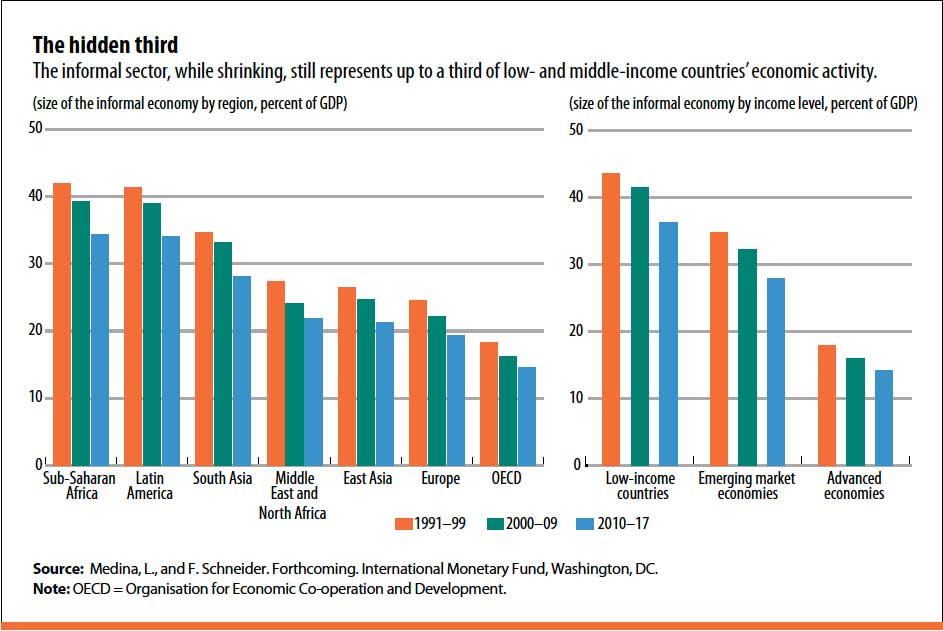
Facts on Infomral Sector
source: WIEGO
Read Latest News
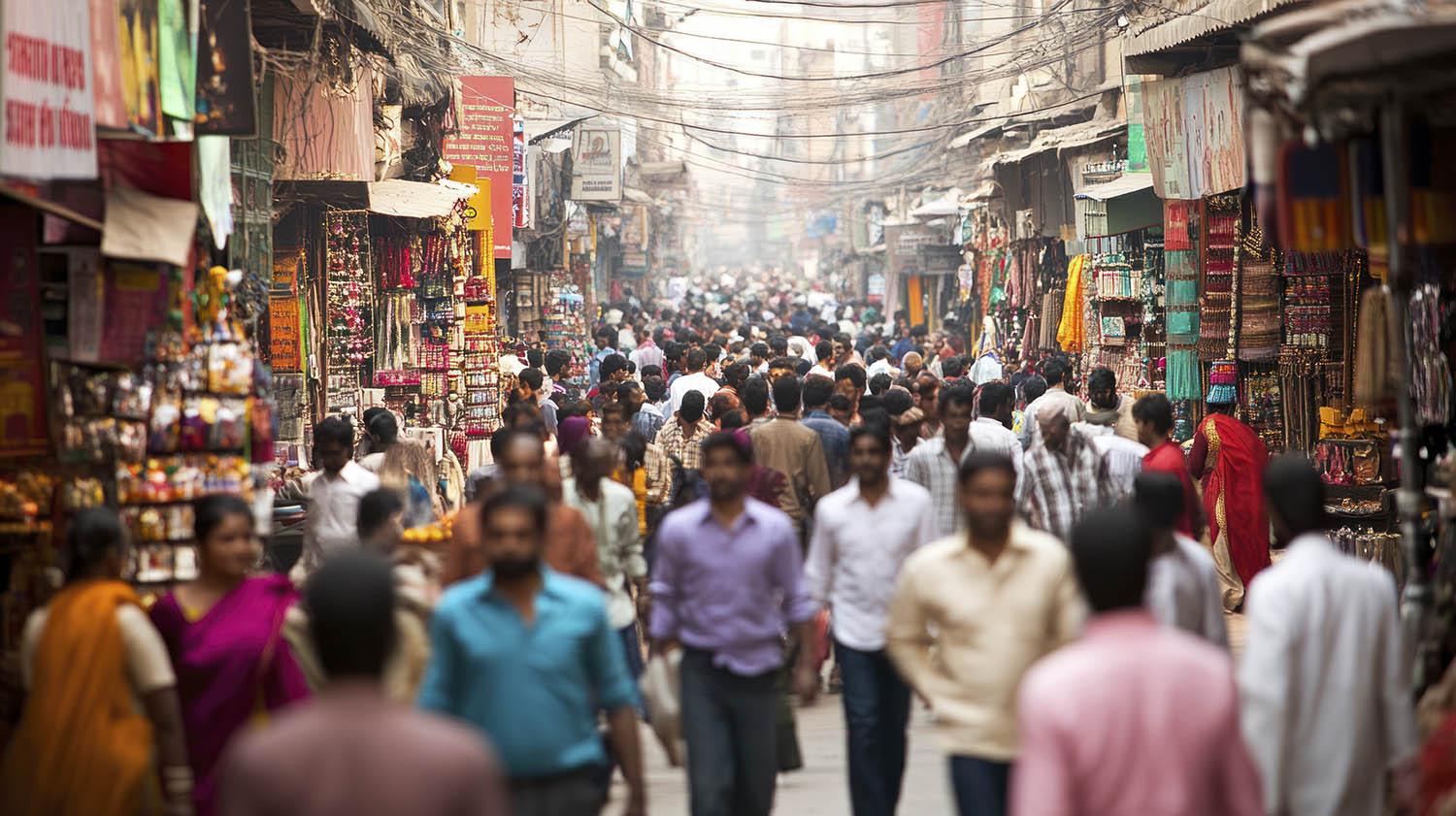
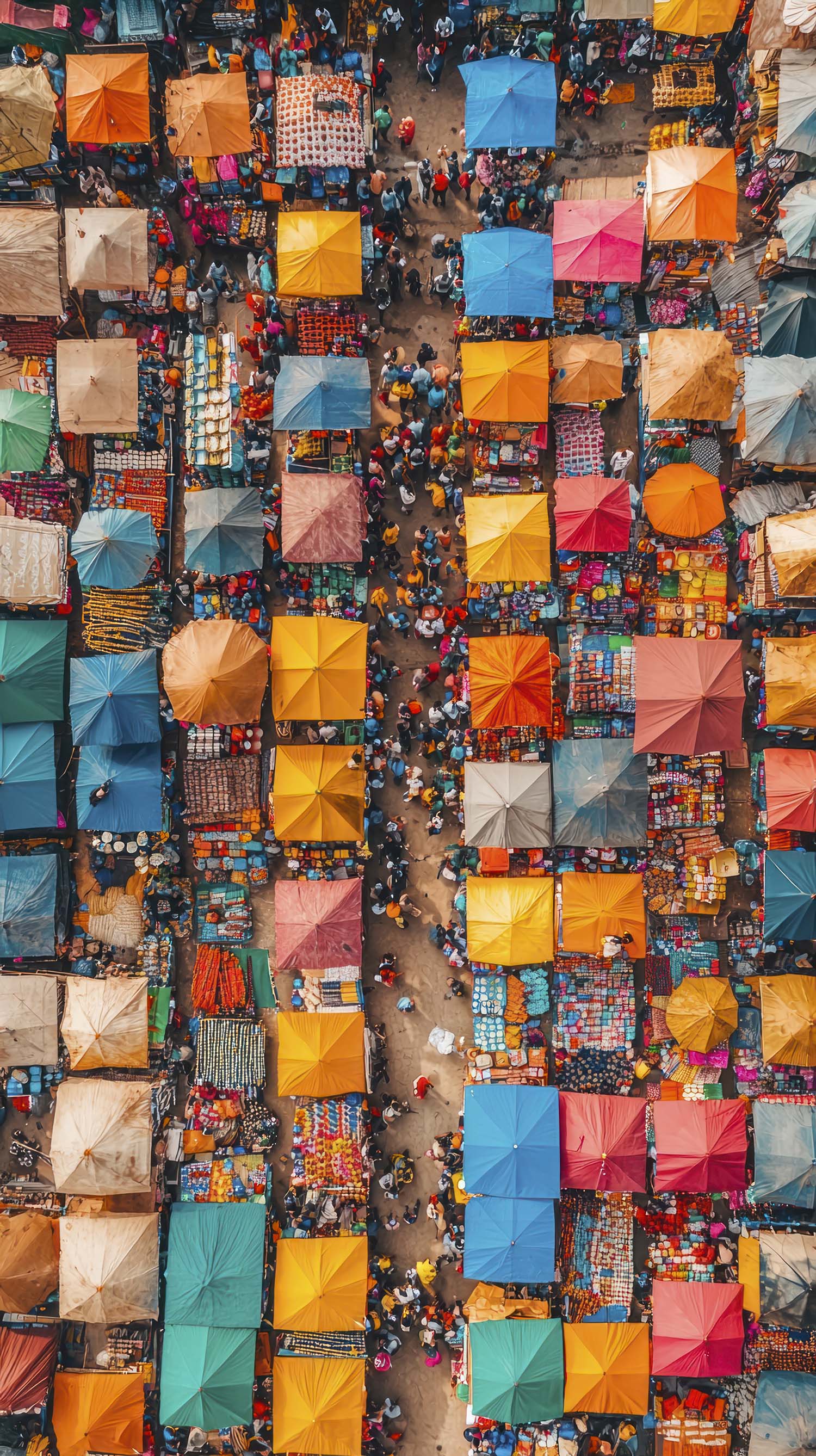
The informal economy accounts for over 60% of the world’s employed population, with even higher rates in developing regions such as sub-Saharan Africa and South Asia. It includes unregistered businesses, self-employed individuals, and workers without formal contracts or social protections. Despite its size, the informal sector often operates outside of government regulation, making it difficult to measure and support through traditional policy or financial systems.
People in the informal economy typically rely on personal trust, flexible arrangements, and community networks to conduct business. While this sector plays a vital role in livelihoods and local economies, it also faces challenges such as limited access to credit, lack of legal protection, and vulnerability to market disruptions. Many informal workers are entrepreneurs who value autonomy and resilience but struggle to scale due to a lack of infrastructure, tools, and recognition.
Myth: The informal economy will shrink or disappear with economic growth.
Fact: Informal employment is likely to remain the main source of employment for most workers in developing countries for the foreseeable future.